
The Fear of Being Perceived
I’ve always been afraid of being perceived.
Not judged, necessarily. Not even disliked.
Just… perceived.
Seen too closely. Heard too clearly. Interpreted by other people in ways I couldn’t control.
From what I remember, it started when I was very young.
The Beginning
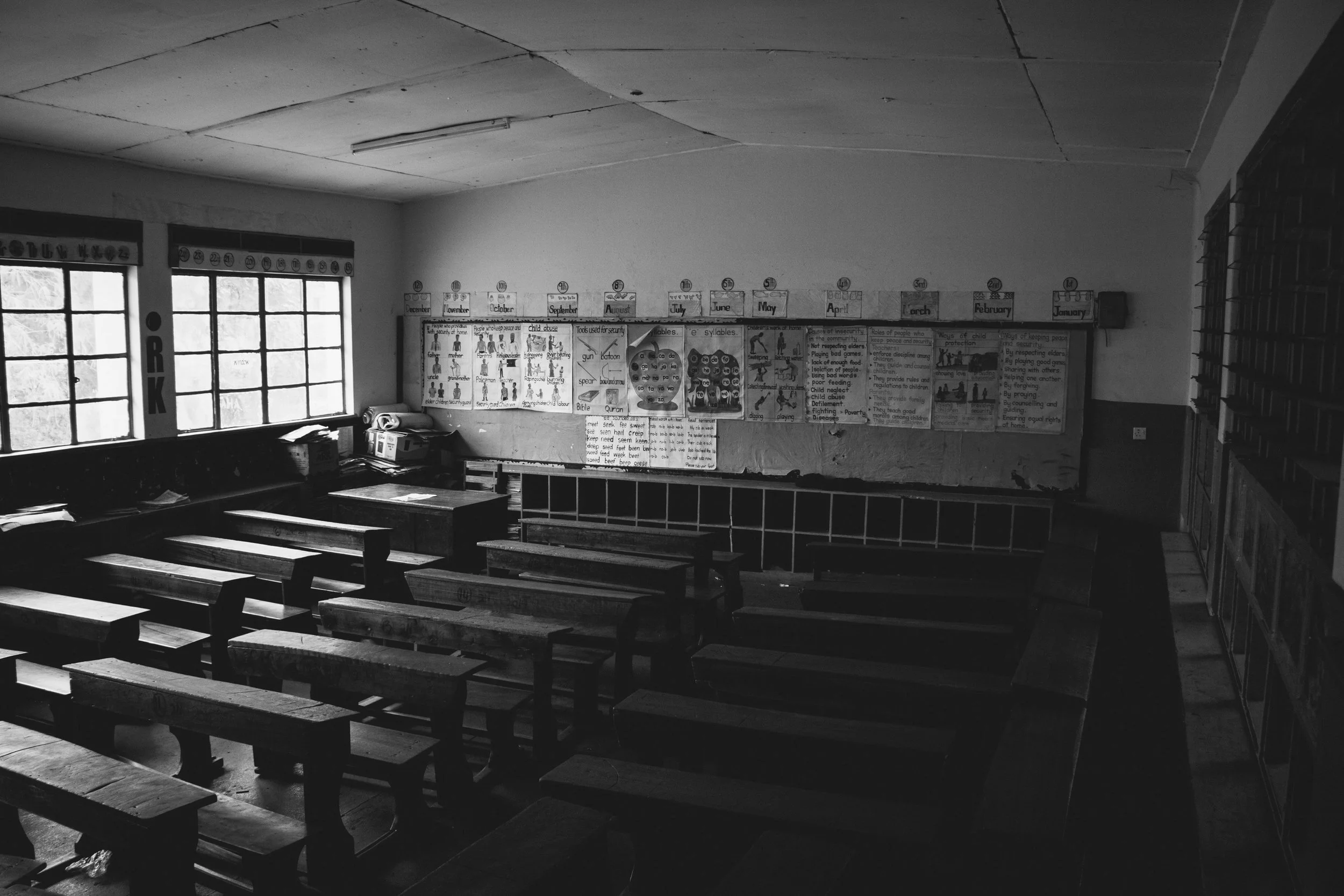
I was sitting criss-cross applesauce on the classroom floor during show-and-tell in kindergarten when I felt a tickle in my throat.
I must’ve had a cold, because I needed to cough. But instead of simply coughing like a normal person, I froze.
The thought of making noise in a quiet classroom terrified me.
I remember trying to swallow over and over so I wouldn’t have to cough. My eyes started watering from holding it in. Eventually, I couldn’t anymore, and I tried coughing with my lips pressed tightly together so no sound would come out.
Instead, I made a strange buzzing noise that sounded more like a horse than a cough.
One of the kids sitting nearby turned and looked at me, confused.
Mortified, I immediately shook my head and whispered, “It wasn’t me.”
A few minutes later, my teacher brought me over to the corner of the classroom because I was crying so hard I could barely breathe. Even then, I was trying not to make noise while crying. I still remember her saying:
“It’s okay. You’re allowed to cough in class. You’re not going to get in trouble.”
Looking back now, it almost makes me laugh. Of all the things to be afraid of, why was I terrified to cough? But when you’re a child, small moments don’t always feel small.
To me, coughing meant everyone would look at me. And if they looked at me, they might notice something else.
Maybe my shirt was ugly. Maybe I sounded weird. Maybe I took up too much space somehow without realizing it.
Being noticed felt dangerous in a way I couldn’t explain yet.
So I learned very early that silence felt safer.
The Quiet Girl
People always described me as “the shy girl.” Adults said it lovingly and casually, as if it were simply part of who I was. Eventually, it became the thing I was known for most.
I hated that.
I didn’t want to be the quiet girl. I wanted to raise my hand without rehearsing what I was going to say first. I wanted to walk into conversations naturally instead of mentally scanning every possible way I could embarrass myself.
But every interaction felt like exposure.
Even simple things exhausted me. I would replay conversations in my head after they ended, analyzing my tone of voice, the volume of my laugh, whether I sounded annoying, awkward, rude, too emotional, too quiet, or somehow just wrong.
It felt easier to disappear into the background than risk being interpreted incorrectly.
What Anxiety Looked Like for Me
And the strange thing about spending so much time quiet is that you start noticing everything.
You learn how people talk when they think no one is paying attention.
You notice what makes people insecure, what excites them, what embarrasses them and what they pretend not to care about.
You become fluent in other people long before you understand yourself.
People also tend to trust quiet people. Maybe because silence makes you seem harmless. Maybe because listening feels rare.
Over time, people spoke openly around me because they assumed I wouldn’t judge them, or repeat what they said, or even fully register it at all. But I registered everything. And the more I observed other people, the more terrified I became of being observed myself.
If I could understand people this deeply just from listening, then surely other people could see through me too. That thought unsettled me more than I knew how to articulate at the time. I think that’s what people misunderstand about anxiety sometimes. It isn’t always loud or obvious.
Sometimes it looks like being “well behaved.
Sometimes it looks like being agreeable, quiet, self-aware, and easy to manage.
Sometimes it looks like a little girl who is too afraid to cough.
Learning to Stop Hiding
It took me years to realize that what I was experiencing wasn’t simply shyness. It was anxiety. And once I understood that, pieces of my life started making sense in ways they never had before.
By high school, I had started opening up more, at least on the surface. But I still felt like there was a version of me hidden underneath everything — a louder, freer version that I kept editing down before anyone else could fully see her.
I don’t think I truly started living openly until I began treatment for anxiety. And the strangest part was realizing that underneath all the fear, I was actually a deeply social person.
Anyone who meets me now would probably never imagine I was once terrified to speak in class. I still get anxious. I still overthink things sometimes.
But I no longer feel the same need to shrink myself to avoid being seen. Because eventually, invisibility becomes lonely. There’s a particular kind of isolation that comes from constantly filtering yourself.
From wanting connection while simultaneously fearing what comes with it.
From spending years watching life instead of fully participating in it.
What I Learned About People
Sometimes I grieve for the younger version of myself who lived that way for so long. But I also think she taught me something important. When you spend years feeling misunderstood, you become deeply aware of how important it is to make other people feel understood.
You become gentler with people. More observant. More careful with what they choose not to say.
And while anxiety has been one of the hardest things I’ve ever experienced, I can also recognize the ways it shaped me into someone more empathetic, emotionally aware, and understanding of other people’s inner worlds.
I used to think the goal was to become someone who was never afraid.
Now I think the goal is much simpler than that.
To let yourself be seen anyway.
